![Assignment Help UK: #1 Assignment Writing Service [Up to 51% OFF]](https://cdn.hashnode.com/res/hashnode/image/upload/v1750675290912/ebfa81be-0451-49f7-b43d-d789ef0a544e.png)
![Assignment Help UK: #1 Assignment Writing Service [Up to 51% OFF]](https://cdn.hashnode.com/res/hashnode/image/upload/v1750675305174/bd987a07-0fa2-4b3a-9701-12a94d9ebdd6.png)
Assignment On Navigating Challenges: BA’s Winning Marketing Strategy
An In-Depth Analysis of British Airways' Strategic Branding, Customer Loyalty, and Market Resilience Amid Industry Turbulence
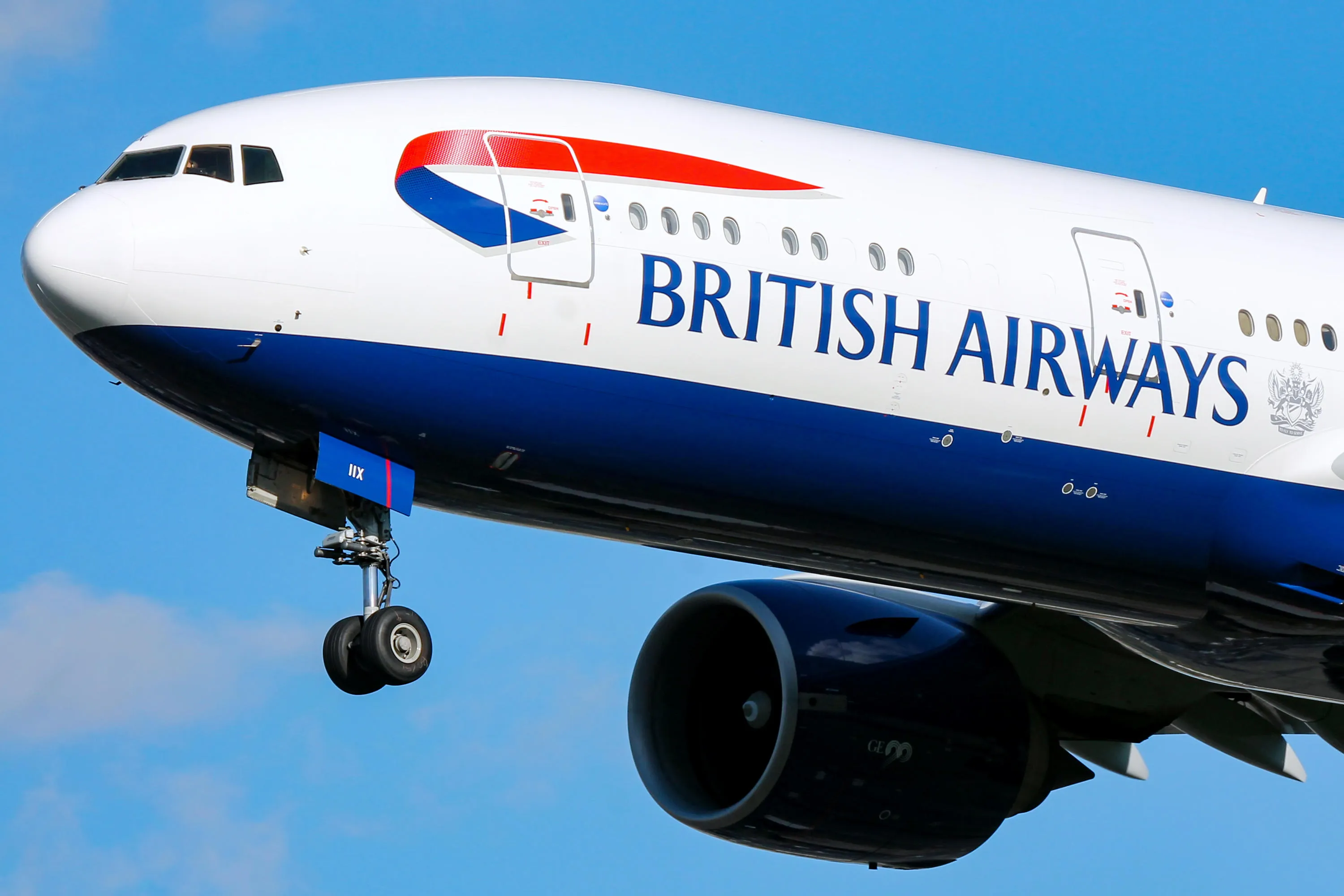
British Airways (BA), Britain's national flag carrier, remains a market leader in aviation. In a bid to uphold its competitive edge, BA keeps developing its marketing strategies to conform to shifting market forces. A close study of British Airways' marketing strategy provides insights into its external context, competitive position, and strategic initiatives.
PESTEL Analysis: Analysis of External Factors
BA functions in a very regulated business with several factors that impact it externally:
BA operations are subject to government rules on security and trade union matters. Security measures must be followed, while labor matters can cause disturbances to services.
Economic factors such as fluctuating exchange rates, inflation, and recessions affect spending on air transportation by consumers. In a recession, passenger traffic and revenues fall.
Social factors such as population demographics, including population aging, impact demand for travel. Older passengers can take alternative modes of transportation, lowering demand on some routes.
Technological: Online booking systems and in-flight Wi-Fi improve customer experience, while price compare websites increase competition by facilitating price comparisons.
Environmental: Stringent emission and noise pollution regulations require BA to invest in more efficient aircraft and environmentally friendly initiatives.
Legal compliance with aviation law and labor legislation is essential. Legal matters like mergers and labor disputes pose threats to operations.
Porter's Five Forces: Competitive Pressure Analysis
BA's position in the market can be analyzed with Porter's Five Forces model:
Threat of New Entrants: It is low due to high capital requirements and regulatory barriers.
Substitutability threat: Low on long-haul flights but alternative transportation like trains is available on short-haul routes.
Buyers' bargaining power: Buyers possess significant bargaining power due to multiple choices of carriers and price consciousness.
Supplier bargaining power: The fuel suppliers and aircraft manufacturers have pricing and availability control that affects BA's cost.
Industry Competition: BA must differentiate through pricing, quality of services, and customer loyalty schemes due to intense rivalry.
SWOT Analysis: Internal Strengths and Weaknesses
SWOT analysis highlights BA's position in the industry:
A strong brand image, extensive worldwide network, and quality customer care create customer loyalty.
Weaknesses: Operational inefficacies and customer care shortcomings require continuous improvement.
Opportunities: Emerging markets and technological innovations open up possibilities of expansion and efficiency.
These threats consist of economic uncertainty, geopolitical risk, and low-cost carrier competition.
Marketing Strategies: Adapting to Changes in Markets
Loyalty Program
Evolution BA revamped its Executive Club frequent flyer program to reward passengers who spend more rather than frequent flyers. This was criticized, however, and later reversed to reward both spending and flying frequency.
Upgrade to Premium
Seeing the profitability of premium cabins, BA invested in luxury improvements such as state-of-the-art first-class cabins on the Airbus A380 to woo high-spending travellers.
Brand positioning
BA's "A British Original" campaign reinforces its emphasis on British culture and personal storytelling to create emotional connections with passengers.
Conclusion:
Charting the Future of British Airways BA's marketing strategy illustrates that it is open to transforming with changes in the industry while maintaining brand loyalty. Through extensive market research and focused initiatives, it positions itself to succeed in the long run. By putting customer experience, brand identity, and sustainability at the forefront, BA remains competitive in a transforming aviation industry.